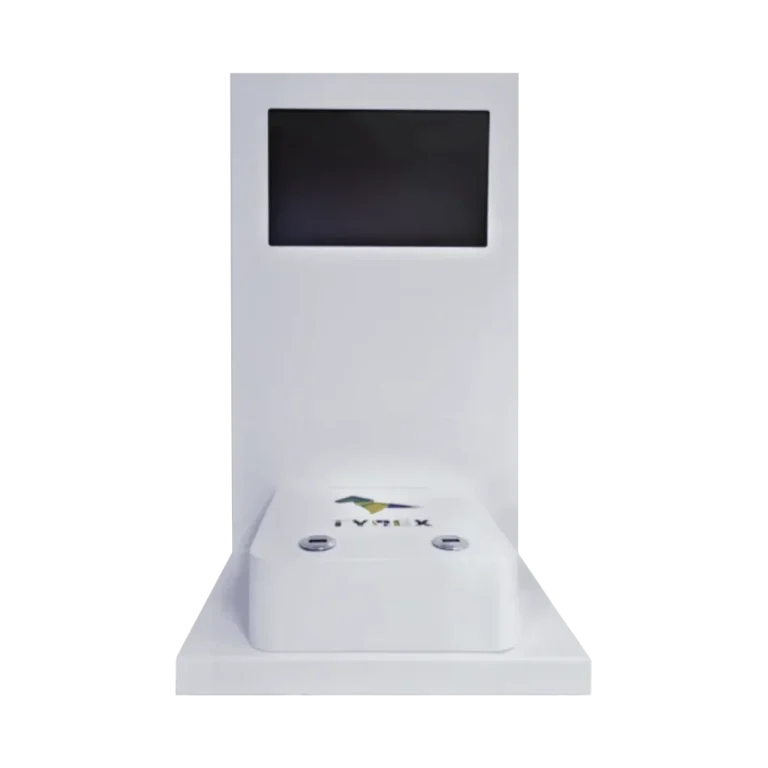
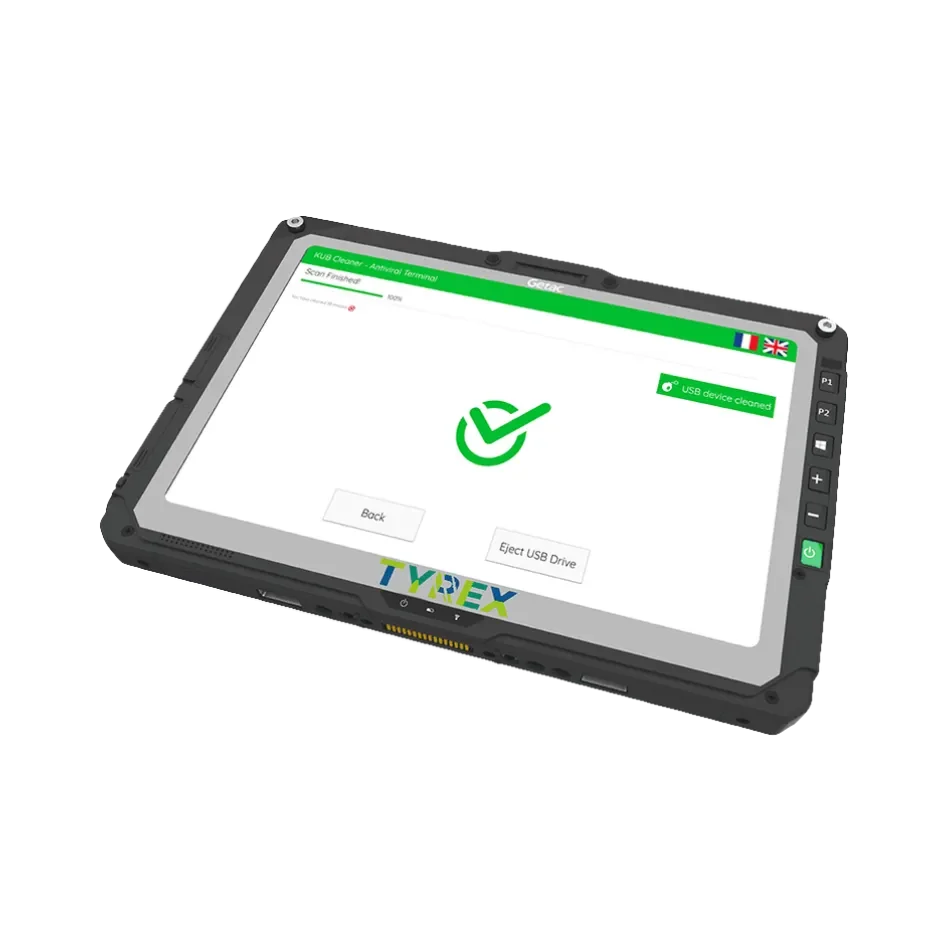
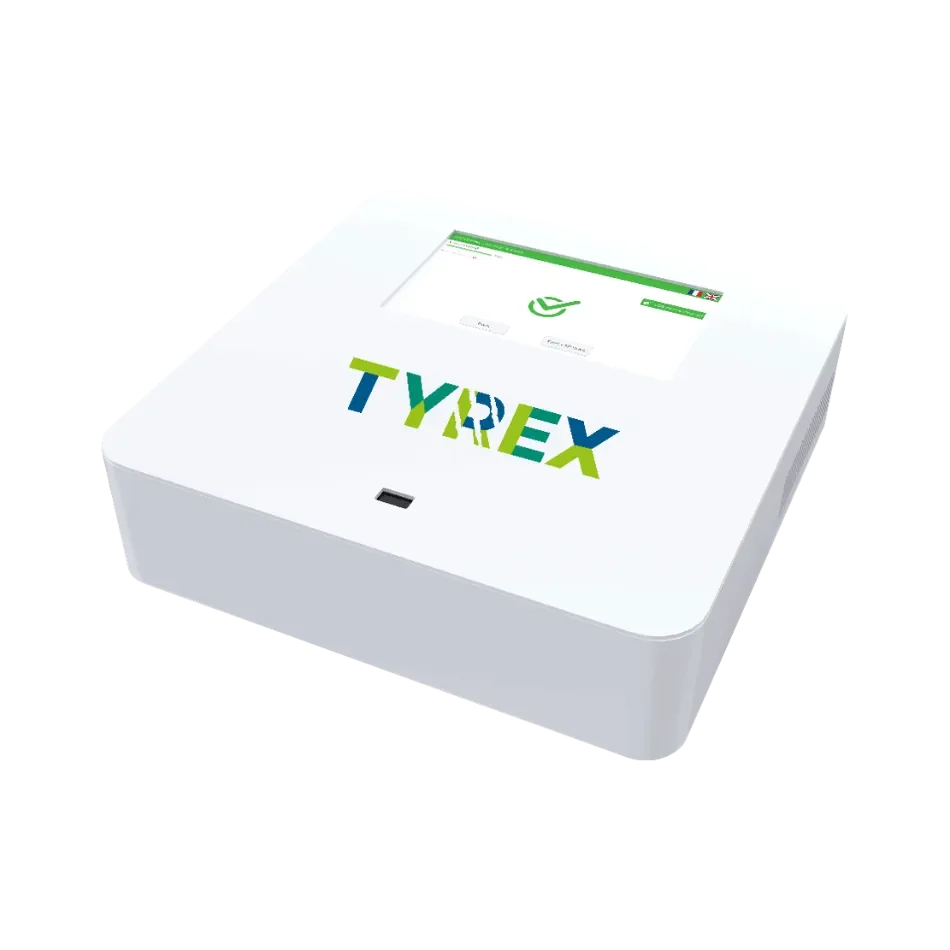
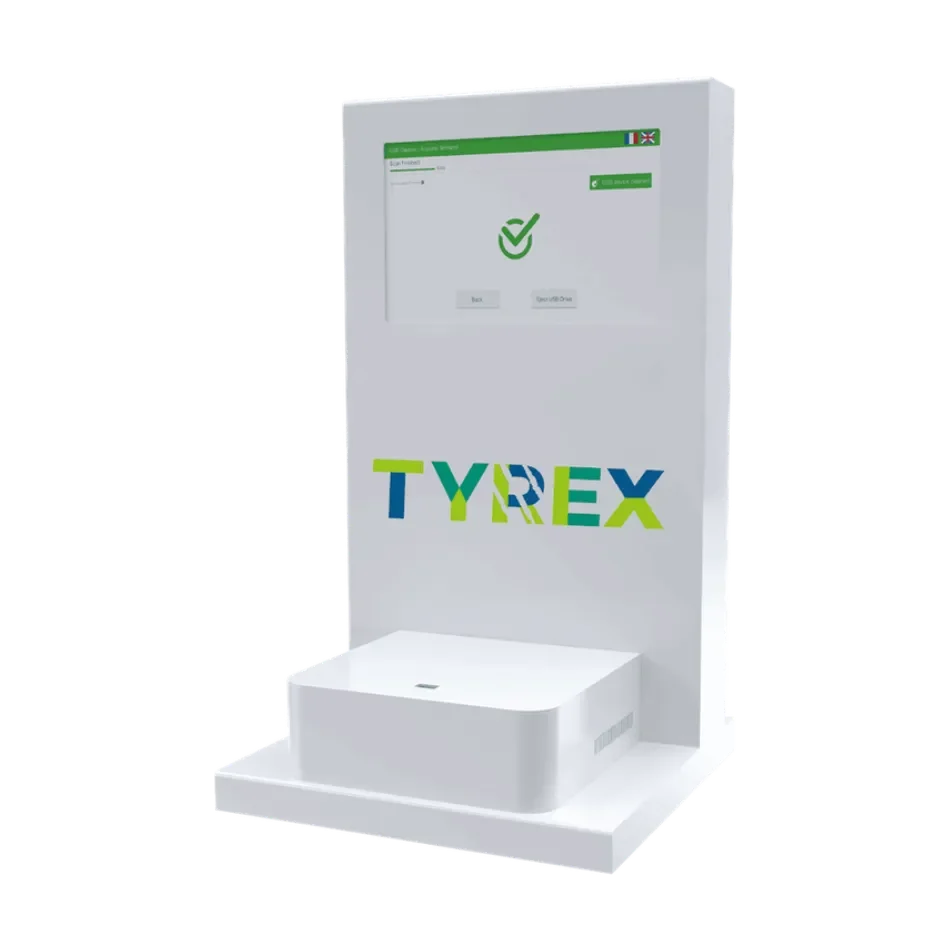
Security teams focus on incoming threats, but what about the data you send out to customers and partners? Close the loop on data security by scanning outbound data for viruses and malware before delivering it on secure media. Designed to support secure data egress for defense contractors, regulated industries, and research institutions.
When you deliver files, you’re staking your reputation on that data being clean. A single contaminated delivery can damage relationships and create legal liability. Egress sanitization ensures you never unknowingly pass threats downstream.
Maintain Regulatory Compliance
Defense contractors and government suppliers operate under strict data egress requirements. Documented scanning processes and printed audit trails provide the evidence you need to demonstrate compliance.
Establish a Verifiable Record
Detailed delivery reports create a clear record of exactly what was delivered and when. If questions arise about file contents or integrity, you have documented evidence of secure delivery.
Decontaminate, Duplicate, and Deliver Verified Data
Step 1: Ingest Source Data
Connect your source media to the TYREX Delivery Station’s ports. The system accepts data from USB drives and other removable media.
Step 2: Multi-Engine Threat Scan
The station performs a comprehensive analysis using multiple threat detection engines to identify viruses, malware, and other threats before data transfer occurs.
Step 3: Secure Media Output
Scanned data is written to clean, non-rewritable media (CD/DVD-ROM) or empty USB storage to eliminate any possibility of pre-existing contamination on delivery media.
Step 4: Documented Chain of Custody
The integrated printer produces detailed delivery reports including file manifests, scan results, hash values, and engine version information, creating a paper audit trail for compliance.
Step 5 (Optional): Reception Mode
When paired with a second unit, the Delivery Station can also verify incoming data by checking cryptographic signatures on delivery packages. It can also operate as a standard decontamination station for incoming media.
Trusted by 350+ organizations worldwide across energy, manufacturing, maritime, aerospace, and government.
Ready to Secure Your Data Deliveries?
Contact our team to discuss how the TYREX Delivery Station fits your organization’s outbound data security requirements.
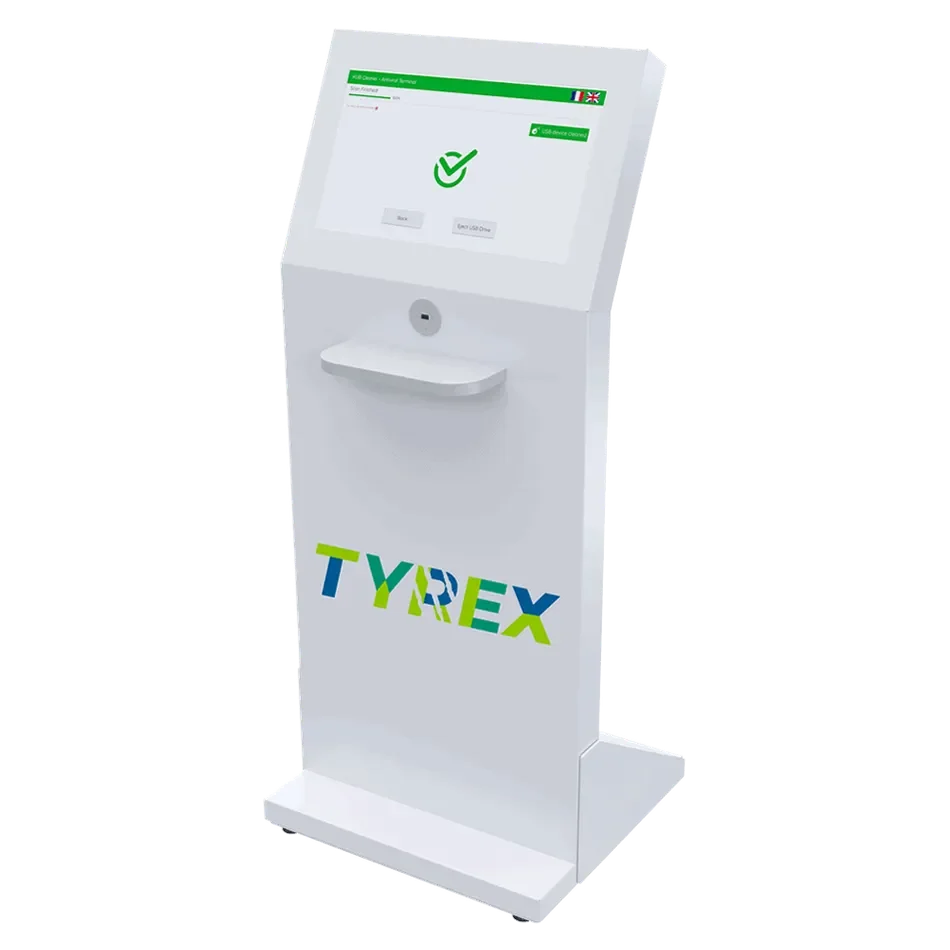
A freestanding kiosk with a 22-inch display for high-traffic areas and self-service decontamination.
TYREX Delivery Station Frequently Asked Questions
What threats does the Delivery Station detect?
The Delivery Station uses up to five antivirus engines running simultaneously, plus an AI-powered static antimalware engine designed to detect unknown threats and advanced persistent threats. It also detects Bad-USB attacks and other types of firmware-level threats.
How often are threat definitions updated?
When connected to the TYREX Management Server, threat definitions and antivirus engines synchronize every six hours. Stations deployed in offline or air-gapped environments can be updated manually.
How does the Delivery Station integrate with other TYREX products?
The Delivery Station is built on the TYREX CONSOLE and connects to the TYREX Management Server for centralized administration, configuration, updates, and logging.
Can this work in an air-gapped environment?
Yes. The Delivery Station supports fully offline operation. In air-gapped deployments, logs can be exported via USB to the Management Server for reporting and analysis.
Who uses TYREX Delivery Stations?
TYREX Delivery Stations are used by any organization that needs to scan and document data before sending it to clients, partners, or external parties. Examples include defense contractors delivering technical data packages and controlled specifications, research institutions sharing intellectual property with collaborators, and manufacturers transferring CAD files and engineering documentation to suppliers.